
Telehealth for Mental Health Care: Solutions for Anxiety and Depression
- Rachel Francis

- May 4
- 4 min read
Living with anxiety or depression can feel overwhelming. Sometimes, reaching out for help feels like a big step, especially when life is busy or when you’re unsure where to start. Thankfully, telehealth has opened new doors for mental health care, making support more accessible and comfortable. I want to share how telehealth can be a gentle, effective way to manage anxiety and depression, especially if you’re in Florida or New York and looking for convenient options.
Understanding Telehealth for Mental Health Care
Telehealth means using technology to connect with healthcare providers remotely. For mental health, this often involves video calls, phone sessions, or even messaging with therapists and counselors. It’s a way to receive professional support without leaving your home.
One of the biggest benefits is flexibility. You can schedule appointments around your day, avoid travel time, and find a quiet, safe space where you feel comfortable opening up. This can be especially helpful if anxiety or depression makes leaving the house difficult.
Telehealth also broadens your options. You’re not limited to providers in your immediate area. This means you can find someone who truly fits your needs and style, whether you prefer cognitive-behavioral therapy, mindfulness techniques, or medication management.

How Telehealth Supports Anxiety and Depression
Anxiety and depression often come with feelings of isolation and uncertainty. Telehealth can help break down those barriers by offering consistent, personalized care. Here’s how it works in practice:
Regular check-ins: Frequent sessions help track your progress and adjust treatment as needed.
Immediate support: Some platforms offer on-demand messaging or crisis support, so you’re never alone when anxiety spikes.
Therapeutic tools: Many telehealth services include access to apps or online resources for relaxation exercises, mood tracking, and journaling.
Medication management: If medication is part of your treatment, telehealth allows for easy prescription refills and adjustments without extra trips to the doctor.
For example, if you’re feeling anxious before a big event, you can quickly connect with your therapist to discuss coping strategies. Or if depression makes it hard to get out of bed, telehealth lets you receive care without added stress.
What is the 3-3-3 Rule for Anxiety?
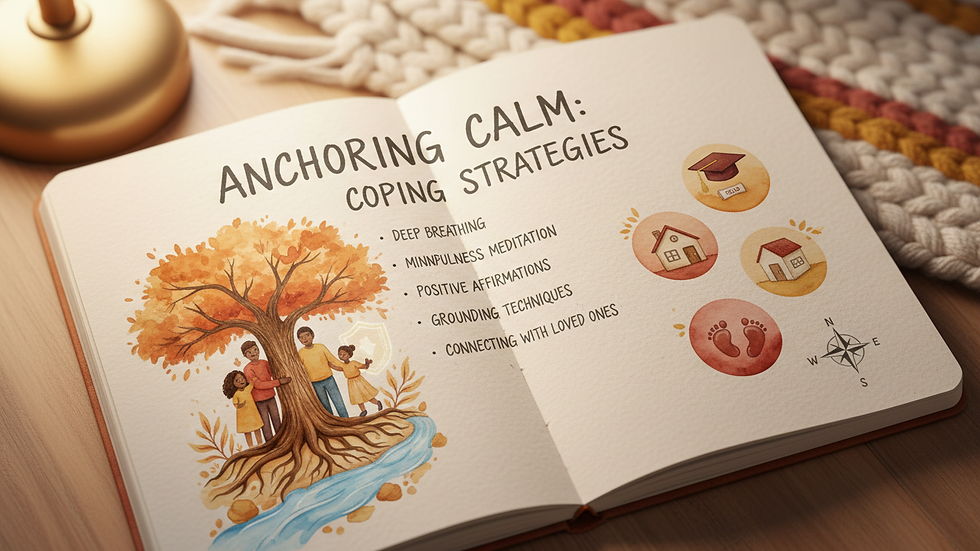
When anxiety feels overwhelming, grounding techniques can bring you back to the present moment. One simple and effective method is the 3-3-3 rule. It’s easy to remember and can be done anywhere:
Look around and name 3 things you can see. This helps shift your focus from your worries to your surroundings.
Listen and identify 3 sounds you can hear. This further anchors you in the present.
Move 3 parts of your body. For example, wiggle your fingers, tap your feet, or shrug your shoulders.
This technique gently interrupts anxious thoughts and helps calm your nervous system. It’s a practical tool you can use anytime, whether you’re at home, work, or out and about.
Practical Tips for Making the Most of Telehealth Sessions
To get the best experience from telehealth, a little preparation can go a long way. Here are some tips I’ve found helpful:
Choose a quiet, private space: Find a spot where you won’t be interrupted or distracted.
Test your technology: Make sure your internet connection, camera, and microphone work well before your session.
Set intentions: Think about what you want to focus on during your appointment. Writing down a few points can help.
Be honest and open: Remember, your provider is there to support you without judgment.
Follow up with self-care: After your session, try to do something kind for yourself, like a walk, a warm drink, or a favorite hobby.
If you’re new to telehealth, it’s okay to feel a bit unsure at first. With time, it often becomes a comfortable and effective way to receive care.
Finding the Right Telehealth Provider for You
Choosing a provider is a personal decision. Here are some factors to consider when looking for telehealth services:
Credentials and experience: Look for licensed therapists or psychiatrists with experience in anxiety and depression.
Approach and style: Some providers specialize in talk therapy, others in medication management, or holistic approaches.
Availability: Check if their schedule fits yours and if they offer emergency support.
Insurance and cost: Verify what your insurance covers or if there are affordable self-pay options.
Comfort level: Trust your instincts. Feeling safe and understood is key to healing.
Many platforms offer introductory calls or consultations. Taking advantage of these can help you find a good match.
If you want to explore options, you can start by searching for telehealth for anxiety and depression to find services tailored to your needs.
Embracing Telehealth as Part of Your Mental Health Journey
Using telehealth for mental health care is a step toward taking control of your well-being. It’s not just about convenience; it’s about creating a supportive space where you can heal and grow.
Remember, managing anxiety and depression is a process. There will be ups and downs, but with the right tools and support, you can find balance and hope. Telehealth offers a bridge to that support, making it easier to reach out and stay connected.
If you’re ready to try telehealth, take a deep breath and know that help is within reach. You deserve care that fits your life and honors your journey.
I hope this guide helps you feel more confident about exploring telehealth options. Remember, you’re not alone, and support is just a click away.


Comments